

Nutrition
Drink Smarter, Not More
The '8 glasses a day' rule has no real science behind it. Here's what hydration actually means — and why the two electrolytes most people ignore matter more than how much water you drink.
29 articles
The '8 glasses a day' rule has no real science behind it. Here's what hydration actually means — and why the two electrolytes most people ignore matter more than how much water you drink.

The protein RDA hasn't been meaningfully updated for older adults in decades. Meanwhile, the evidence on sarcopenia, visceral fat, and microbiome aging tells a very different story. Here's the gap between the guidelines and the science — and who pays for it.

The "moderate drinking is heart-healthy" narrative was never entirely about the science. Here's how the alcohol industry shaped the research, why the J-curve doesn't hold up, and what WHO's 2023 guidance actually says — and why you barely heard about it.

The "heart-healthy" claim on your food packaging isn't science — it's a regulatory loophole, maintained by the same industry that shaped the dietary guidelines in the first place. Here's how the con works, and what to look for instead.

While everyone's scanning labels for pesticides, the chemicals quietly dismantling your gut barrier are listed right on your salad dressing bottle. Here's what the research on emulsifiers, AGEs, and artificial sweeteners actually shows — and what's worth worrying about.

The "eat every two hours" rule was never about your metabolism. Follow the money, the research timeline, and the three hunger systems that food companies learned to exploit — and you'll never look at a mid-morning snack bar the same way.

Turmeric, ginger, cinnamon, garlic — your spice rack holds some of the most potent bioactive compounds in food. Here's the kitchen science of actually unlocking them.

That full-body revulsion when you introduce a vegetable isn't defiance. Here's what the science of gut development tells us is happening at your dinner table — and why the stakes are higher than you think.

That $300 food sensitivity panel just flagged 47 foods for elimination — eggs, almonds, oats, everything in your fridge. There's one problem: no major immunological body validates the test. Here's what the science actually says, and who benefits from the confusion.

Same bowl of rice, completely different blood sugar response. A 2025 Nature Medicine CGM study confirms what you've probably sensed: the ideal diet isn't universal — and the science finally explains why your body has its own rules.
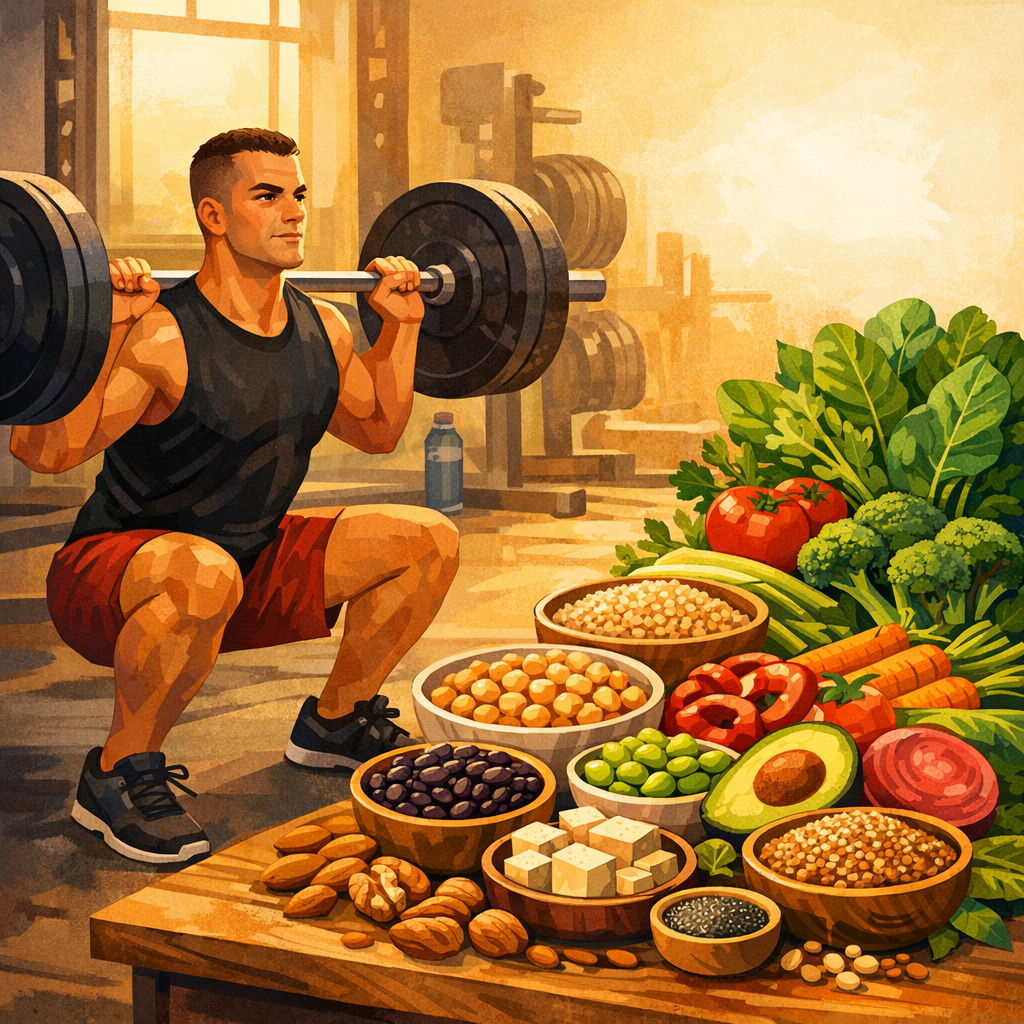
The two biggest fears about eating more plants — losing muscle and missing out on proven heart benefits — are both overblown. Here's what the research actually says, minus the lifestyle lecture.

For decades, diet culture treated hunger as a failure of willpower. New research on appetite hormones, metabolic flexibility, and circadian eating rhythms tells a very different story — and the implications are damning.

Bloating after a "normal" meal isn't in your head — and it's probably not gluten. New research points to a different culprit hiding in your everyday food, and the fix is simpler than an elimination diet.

In 2015, the WHO classified processed meats as Group 1 carcinogens. Your grocery cart didn't get the memo. Here's the accumulated evidence — and who benefited from keeping it quiet.
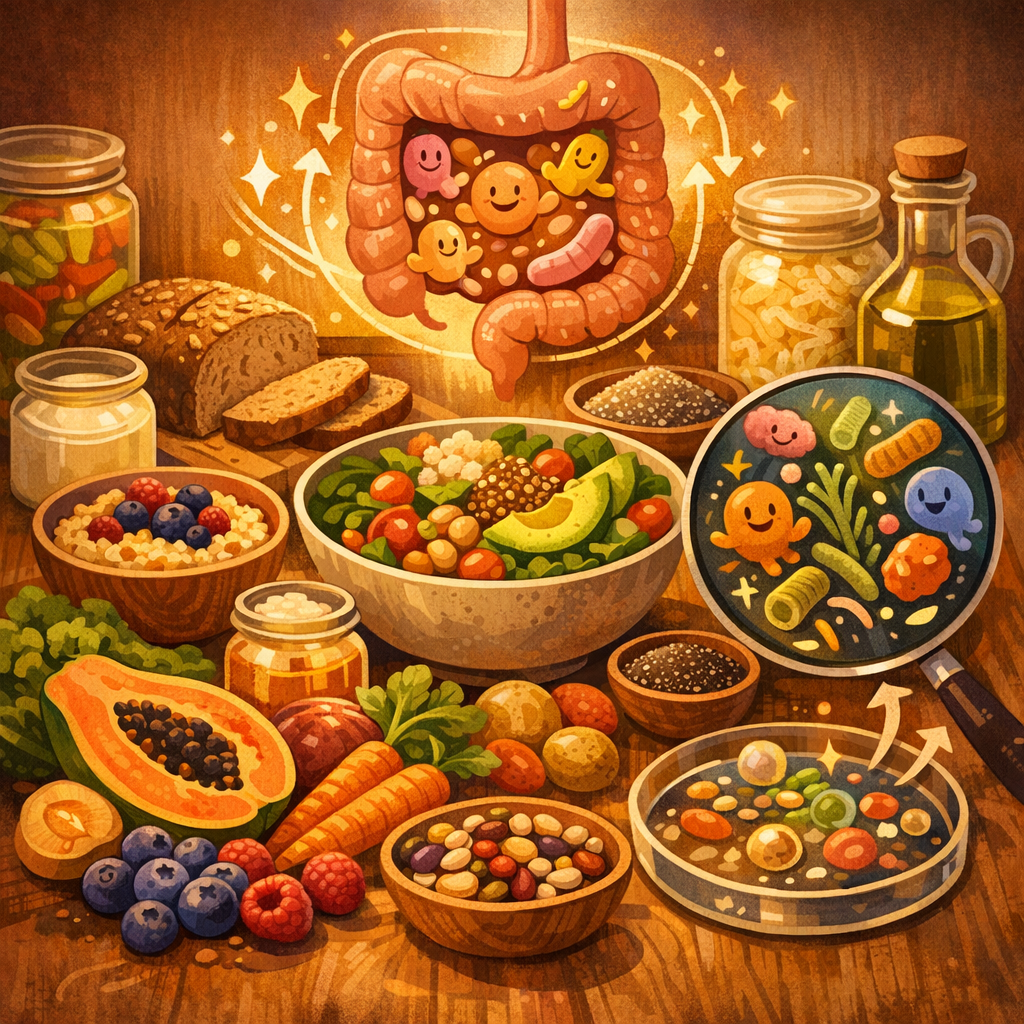
You've been told to eat more fiber for decades. But not what it actually does. Two landmark 2024–2025 studies finally explain the mechanism — and it's not about constipation.

The world's oldest people don't follow a diet plan — they follow centuries of accidental biochemistry. Here's the science inside Blue Zone kitchens, explained from the molecular level up.
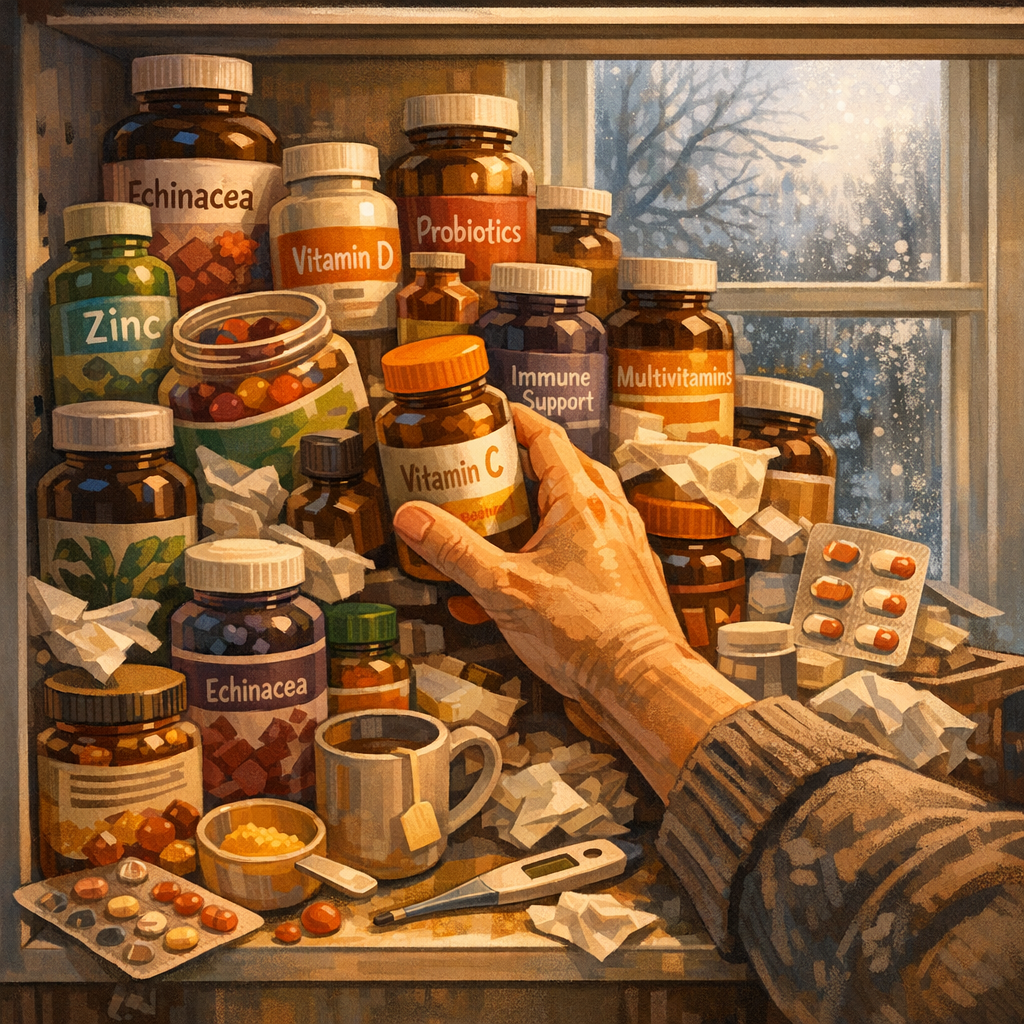
The real immune defense isn't built in cold season. Here's what the research says about vitamin D, gut bacteria, and the dietary patterns that actually determine how often you get sick.
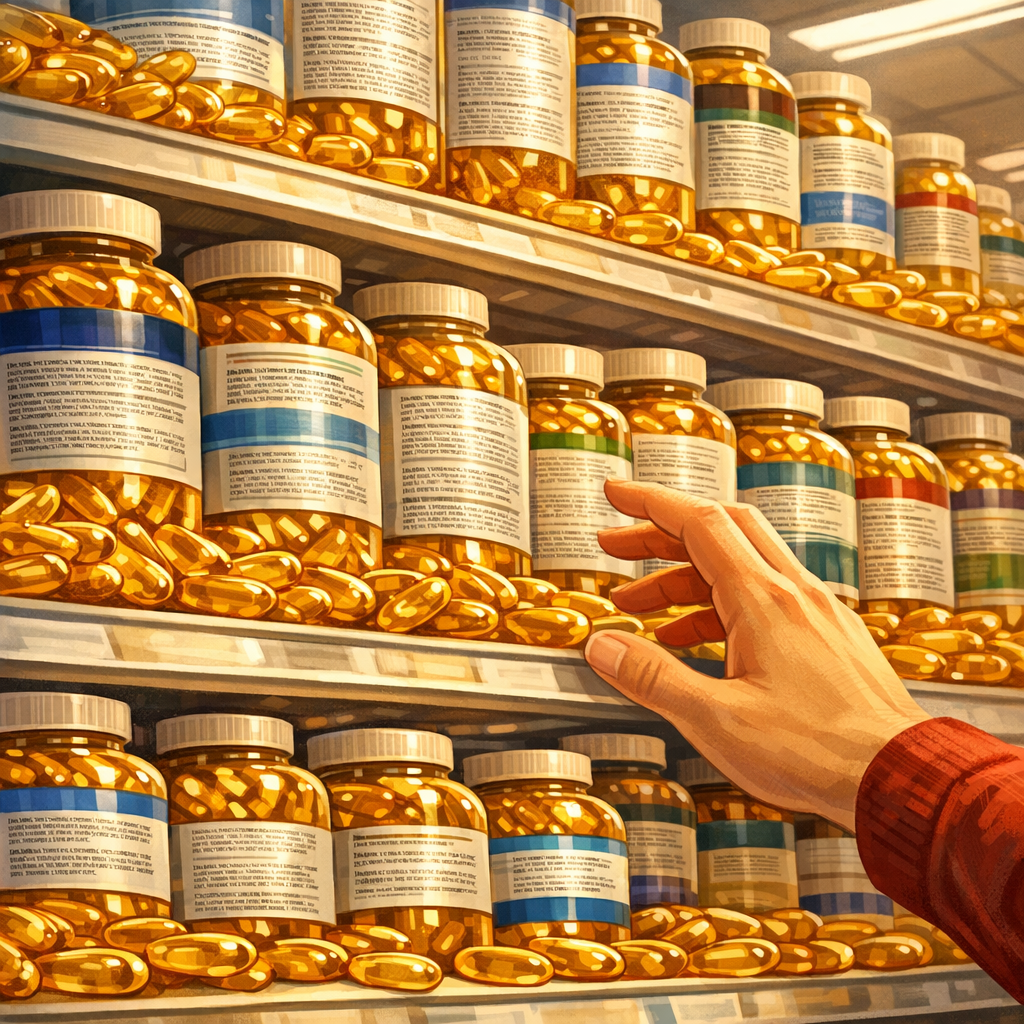
Not all omega-3 supplements protect your heart equally. A 2025 meta-analysis reveals a critical difference between EPA and DHA that changes how you should read the fish oil label.
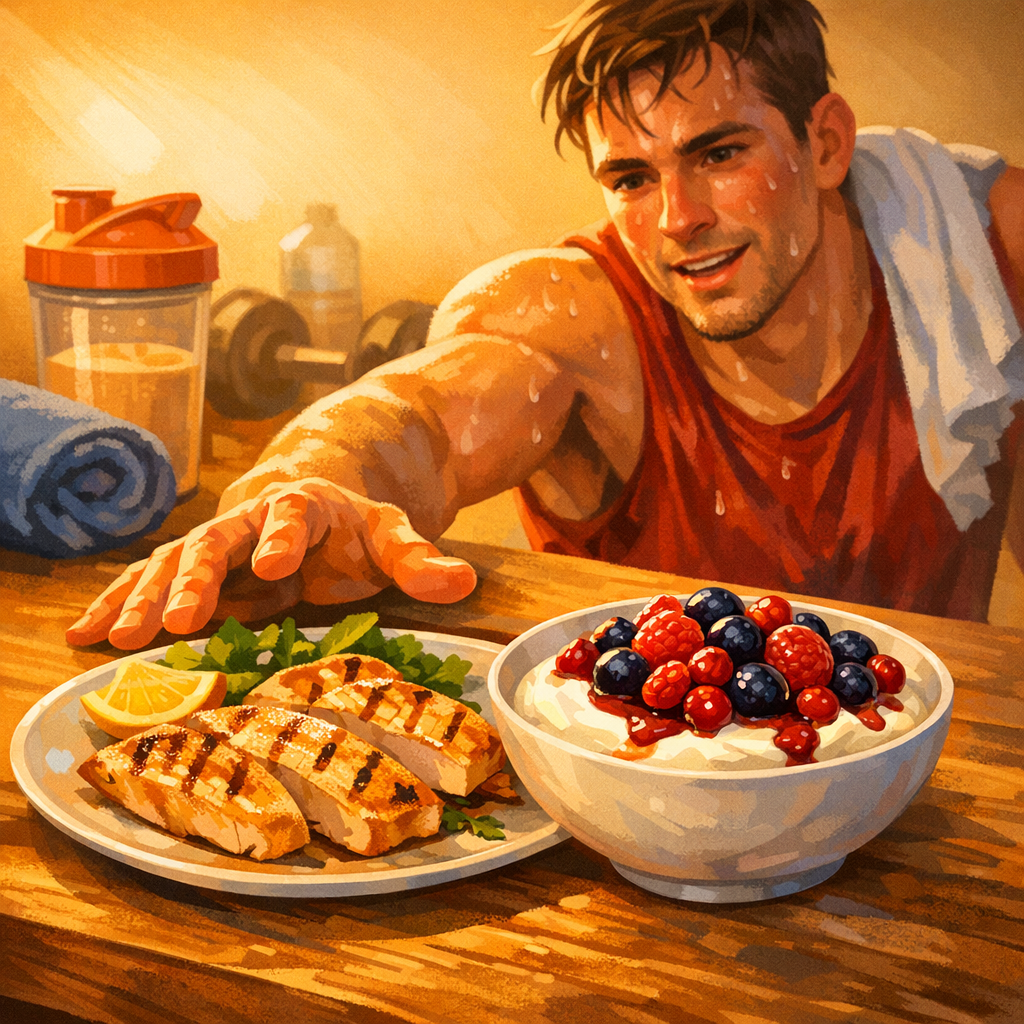
The sports nutrition world has been fixated on one amino acid for decades. New research says that's only part of the story — and the full picture is more exciting than you'd expect.
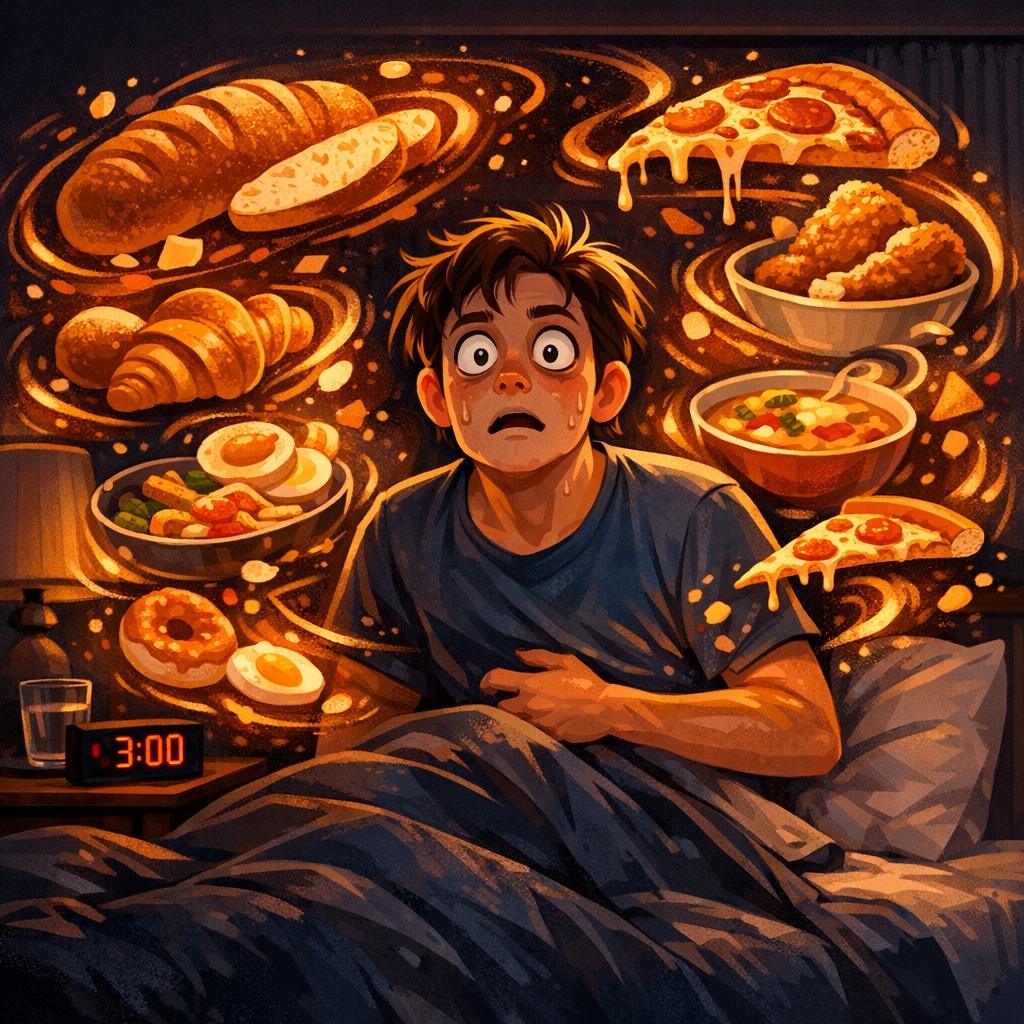
Your hunger hormones don't care how hard you tried. After weight loss, your body wages a biological counterattack — and it's not your fault. Here's the science, and what to do about it.
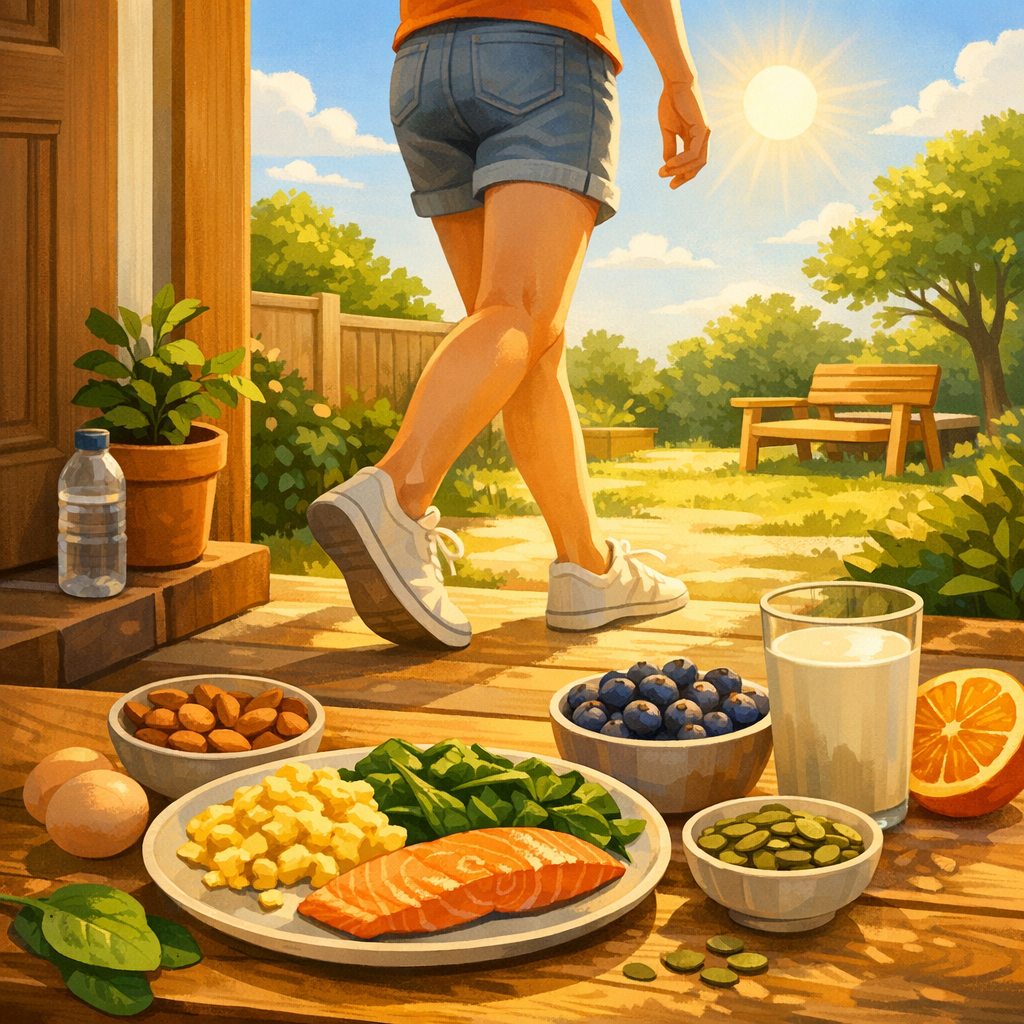
You're probably deficient in two nutrients that aren't trendy, aren't expensive, and aren't hard to fix. Here's the short version on vitamin D and choline.
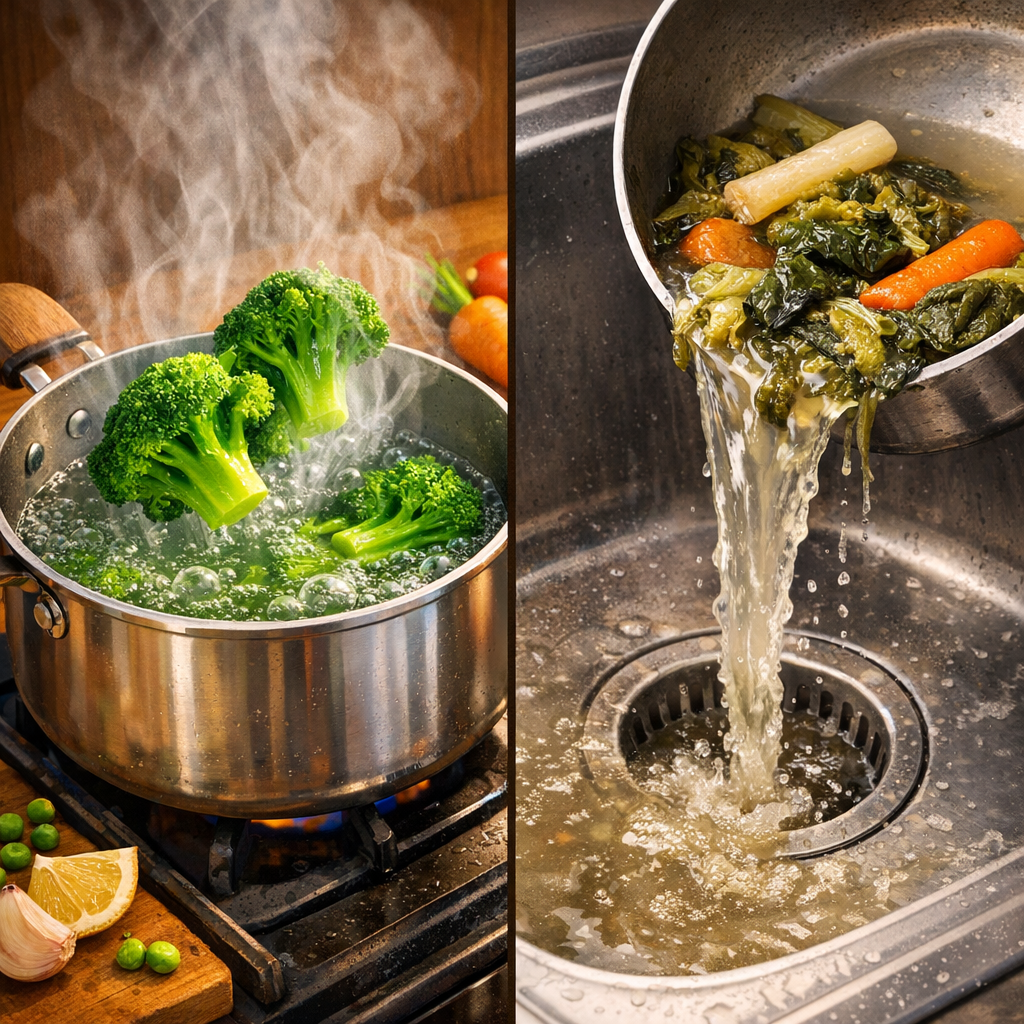
The way you cook your vegetables can cut their nutritional value in half — or nearly double it. Here's the short version of what actually matters.
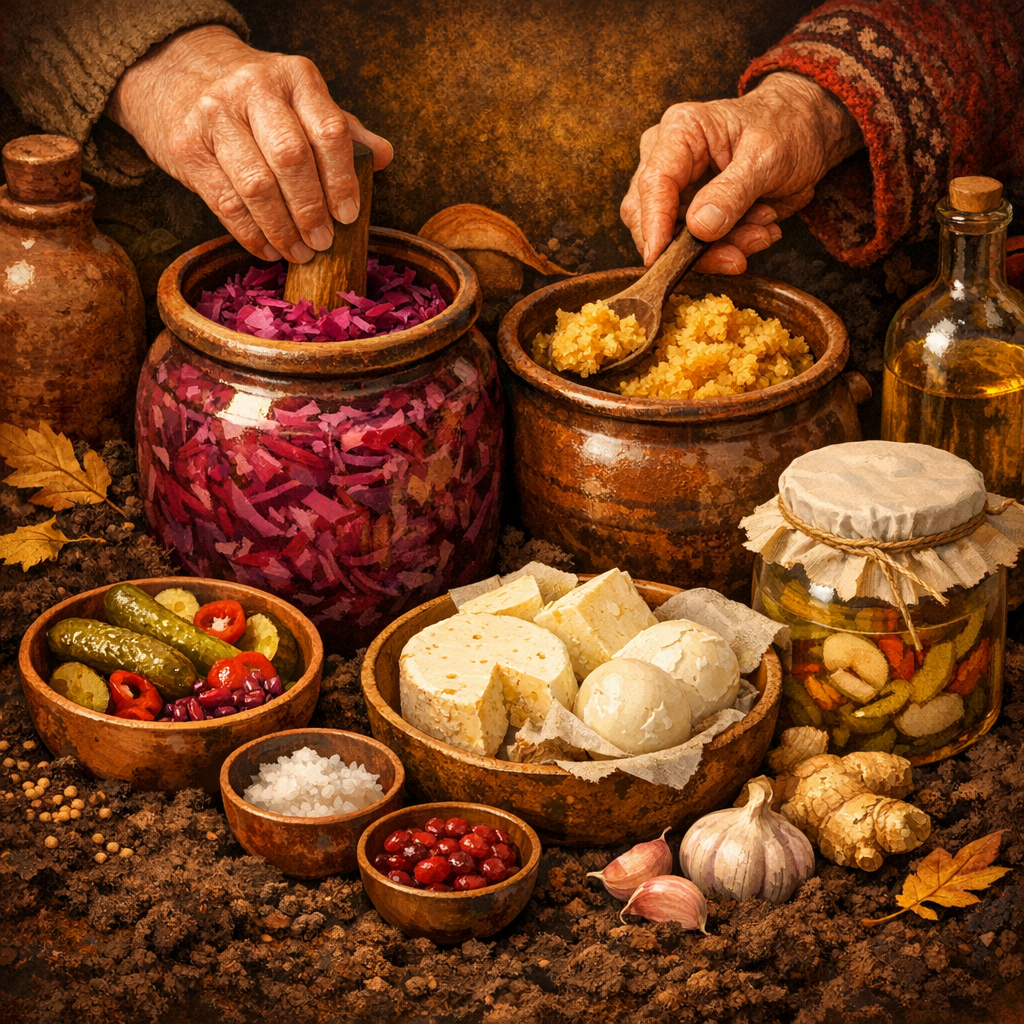
Fermented foods have been prized by every food culture on earth for millennia. Here's the science that finally explains what your ancestors already knew to eat.
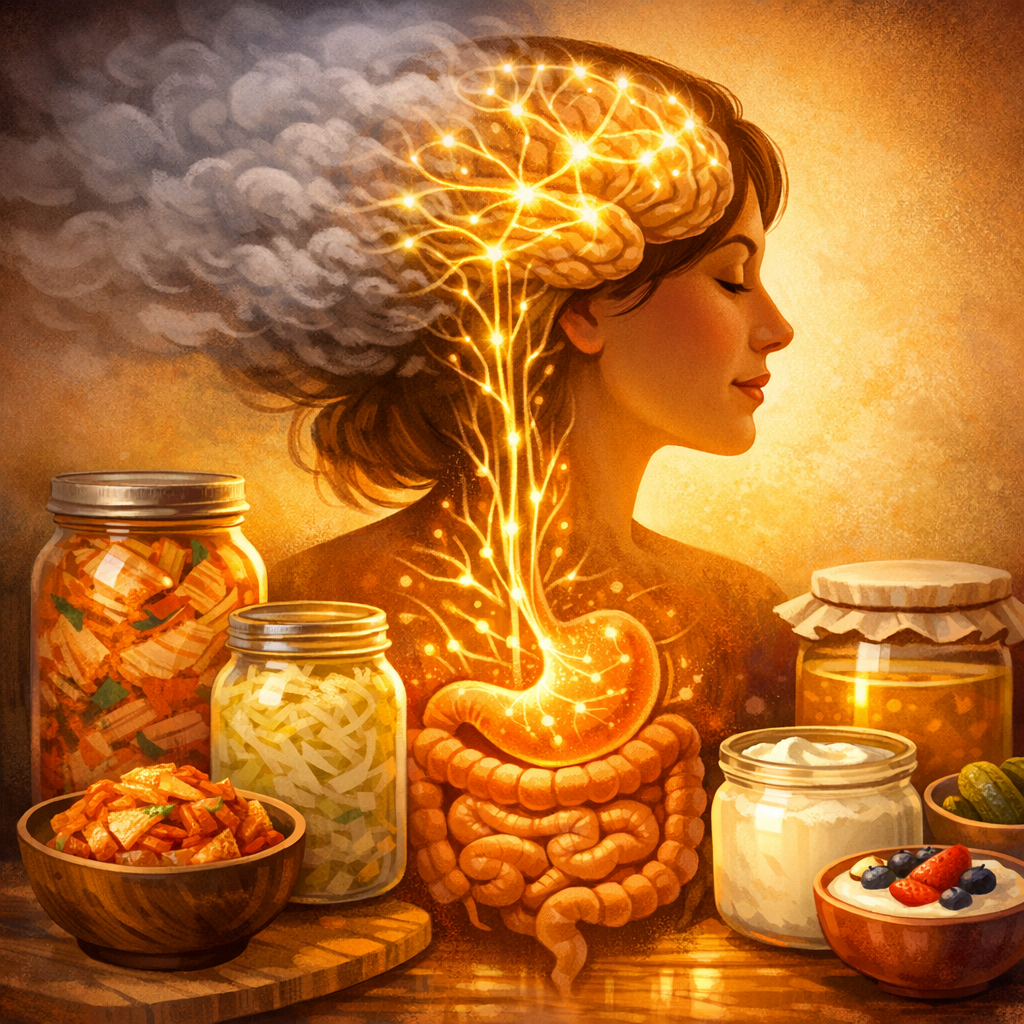
Brain fog isn't just about bad sleep. The bacteria in your gut are quietly running your mood and focus — and the fix might be simpler than you think.
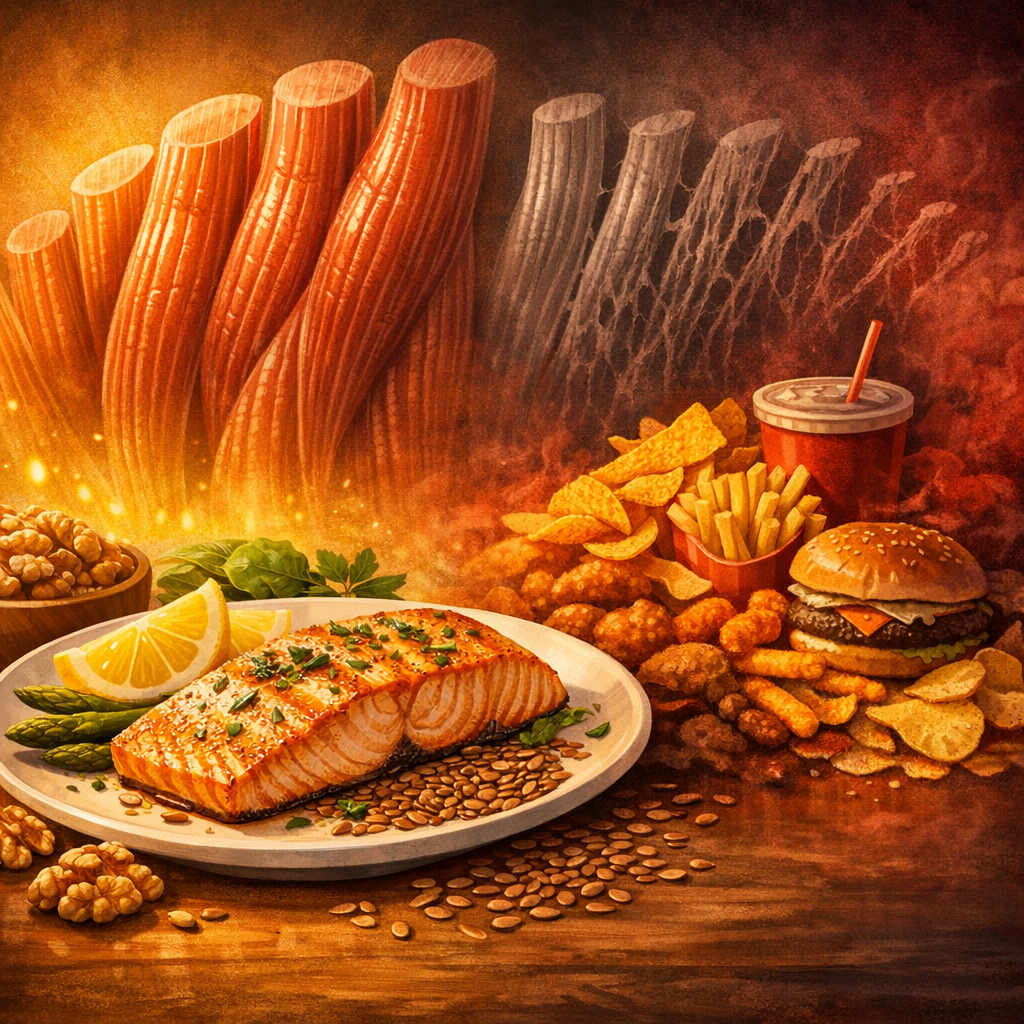
After 30, muscle quietly disappears — and most people blame the gym. But your diet is either accelerating that loss or fighting it. Here's what the research actually says.
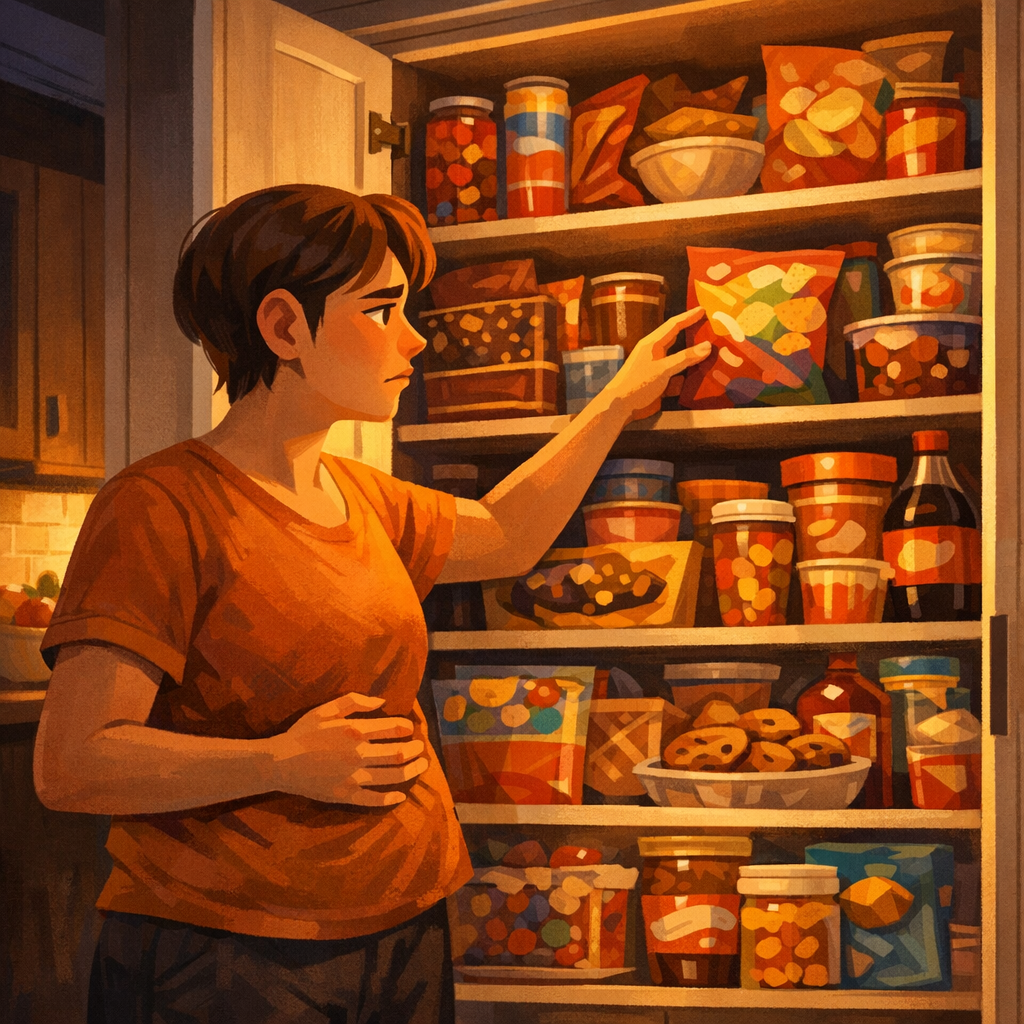
Ultra-processed food doesn't just make you eat more — new research shows it may structurally alter the brain regions that decide what and how much you want to eat. Follow the evidence.
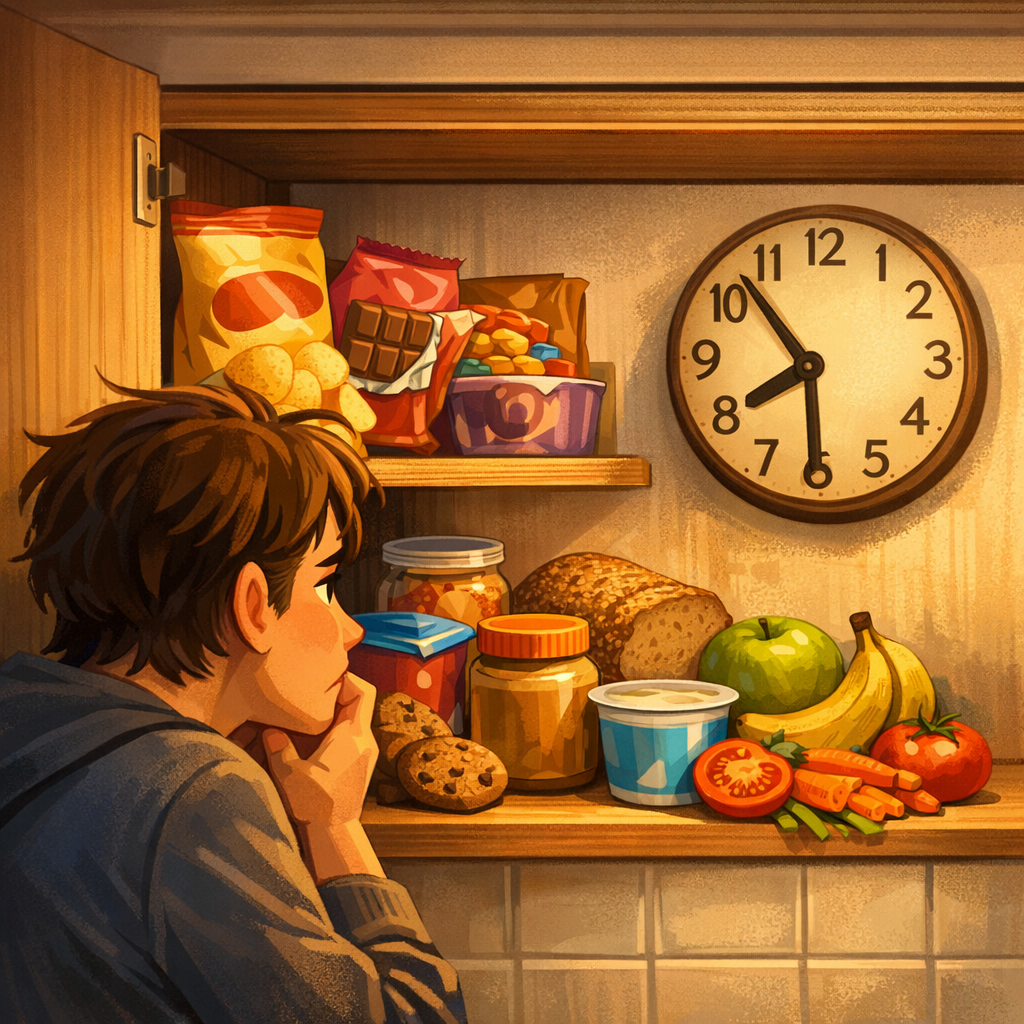
You're eating plenty but still hungry an hour later. The science behind protein leverage explains why — and the fix is simpler than you think.
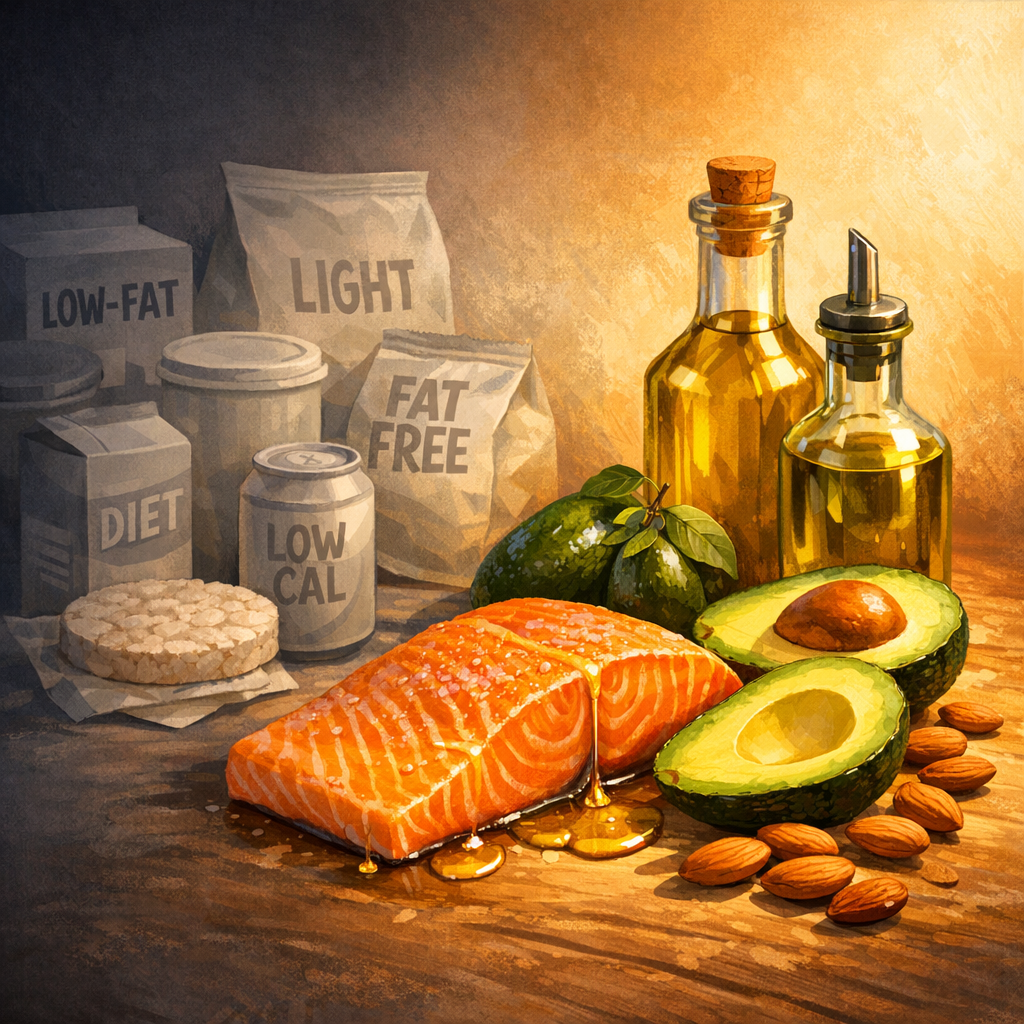
Dietary fat got a bad rap for decades. Here's what the science actually says about omega-3s, heart health, and which fats are worth eating.
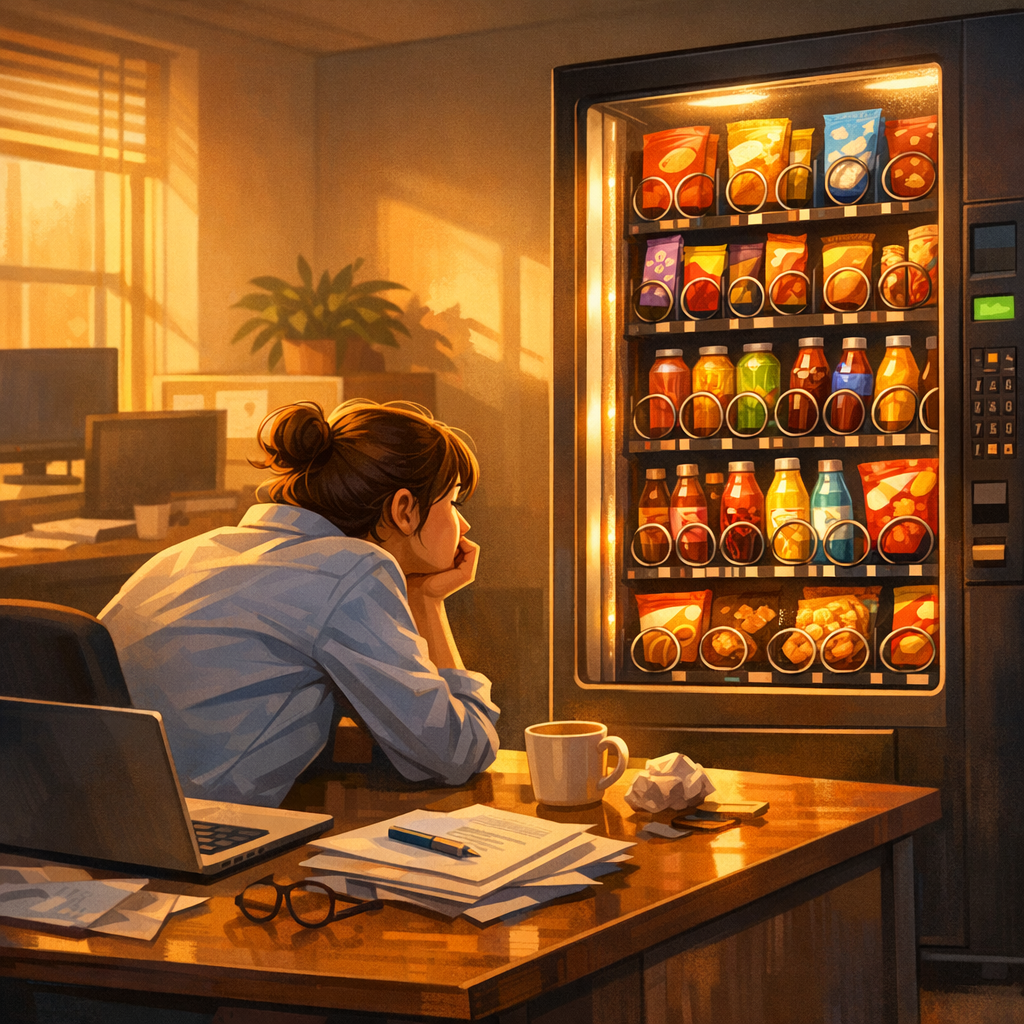
Blood sugar management has gotten a weirdly complicated reputation. Here's the simple version — and what you can actually do about those 3pm energy crashes.